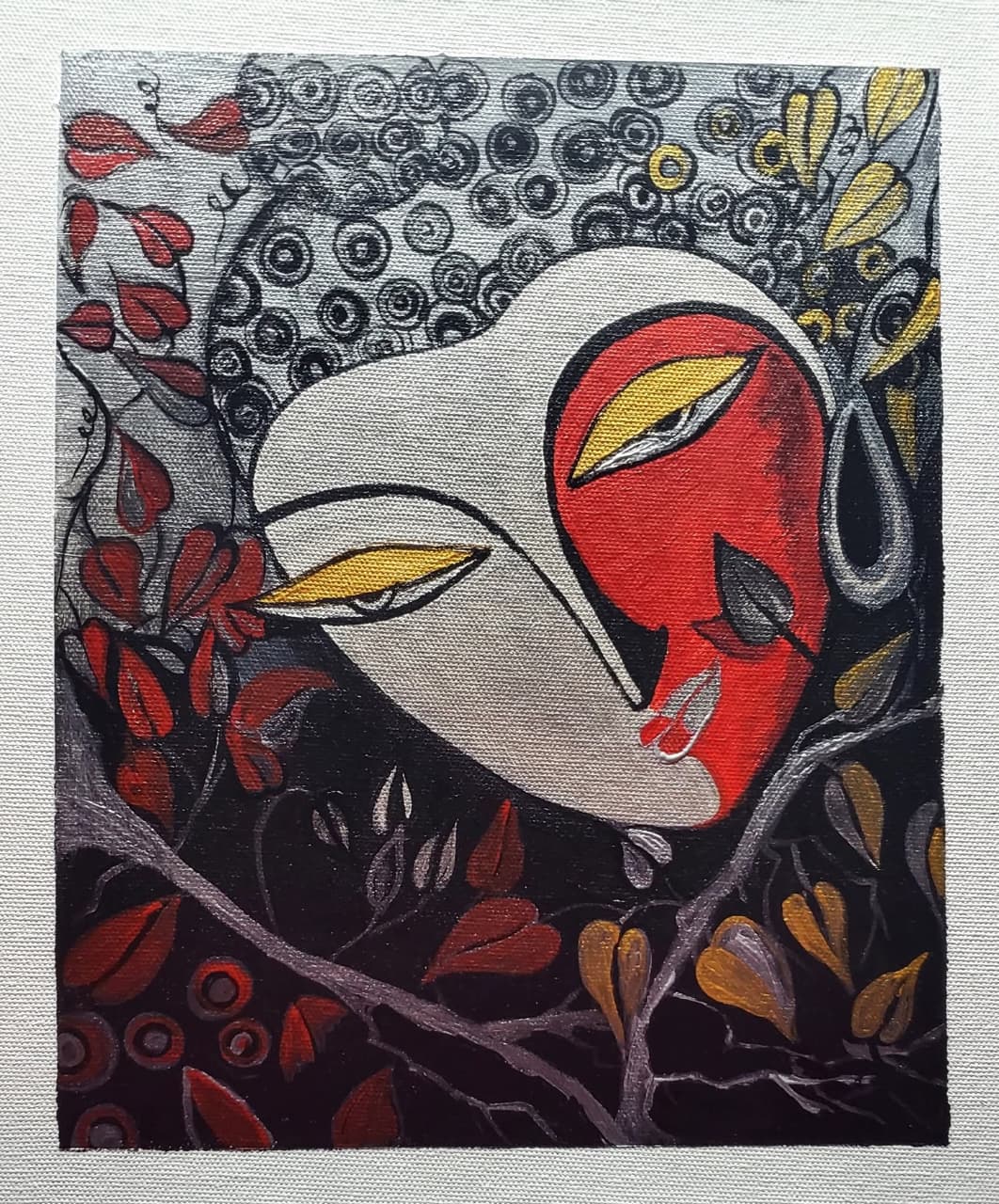
Newton’s third law: Every action has an equal and opposite reaction. A principle that works flawlessly in the physical world, fails miserably in the world of people, emotions, and relationships. Human systems hardly respond in predictable or proportional ways.
Kaikeyi’s story in the Ramayana is a powerful reminder of this truth. Largely acting from a place of fear and insecurity, influenced by Manthara, she demanded two boons from King Dasharath: her son Bharat to be crowned king, and Raam to be exiled for fourteen years.
The reactions to her action came in waves: Raam left with Sita and Lakshman for 14 years of exile. King Dasharath died of heartbreak. Bharat, instead of becoming a king, rejected the throne and ruled in Rama’s name. Kaikeyi was left in the palace with deep guilt and sorrow. Then came more ripples — Raam became Raam and his journey became legendary because he embraced the exile.
The same way in organizations, one decision can spark a series of shifts, some immediate, some long after. What seems like a minor policy change, reshuffle, or slight communication tone shift can ripple through the system in silent, sometimes exponential ways.
I invite you to pause and reflect:
- What quiet ripples might your current choices be setting into motion?
- How could you hold space for the unexpected way your org system might respond?