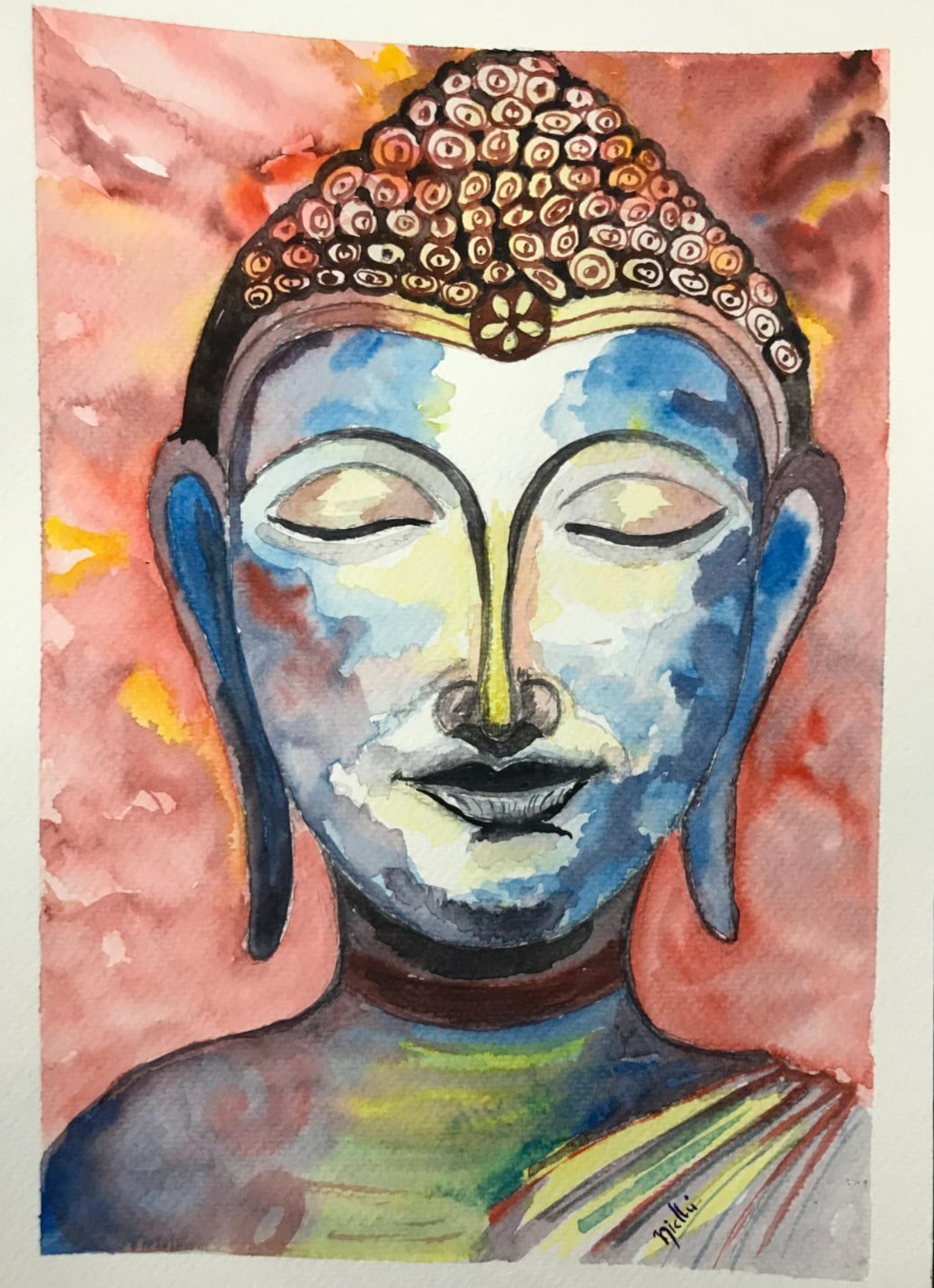
Years ago, I watched a video of a yogi’s lecture at a renowned institute. A student asked, “How do we stick to our choices?” The yogi smiled and said, “Let’s say, If you want to wake up at 5 a.m., eliminate all other choices.” Letting go begins with defining what truly matters and why. It’s not about giving something up, it’s about making space for what deeply aligns with your purpose. That, to me, is the essence of letting go.
It’s a conscious decision to stop carrying what no longer serves. It might be a belief that has become a limitation, a role that once defined you but now confines you, or a habit that distracts from growth. The right time to let go isn’t when something becomes unbearable, but when it becomes irrelevant to who you are becoming. If it no longer supports your clarity, growth, or impact — IT’s TIME.
When I was a child, we had a daily ritual. My father used to recite shlokas from the Bhagwad Gita and explain them with day-to-day life examples. I used to wonder, if Mahabharata is about war, why does the Gita begin with Vedna Samvad? Now when I think about it, seems like it’s because the inner struggle is the hardest. Even when we know we need to let go, the process is rarely easy.
As an ardent follower of Yoga, I believe Yoga offers a pathway through this. Patanjali’s sutra “Sthira Sukham Asanam” teaches that our state of being must be both steady (sthira) and easeful (sukha). Letting go cannot be abrupt. It has to be a gradual process, an inch more, a second longer each day.
Here are a couple of reflection questions for leaders:
- What part of my leadership identity am I holding on to, not because it serves the future, but because it comforts the past?
- What am I willing to release today, so I can lead with greater presence, clarity, and alignment?